Juneteenth, Memory, and Why Stories Matter
Today is Juneteenth, a day that commemorates June 19, 1865, when Union troops arrived in Galveston, Texas, and informed more than 250,000 enslaved Black Americans that they were free. Although the Emancipation Proclamation had been issued more than two years earlier, freedom had not yet been enforced in Texas. Juneteenth reminds us that freedom on paper and freedom in practice are not always the same thing.
At Stories to Last, Juneteenth resonates with us for another reason.
It reminds us why stories matter.
History is often taught through dates, legislation, statistics, and events. Those things are important. They provide the framework. But facts alone rarely touch our hearts. Facts rarely change us. Stories do.
Stories help us understand what it felt like to live through history.
Do you remember where you were on September 11, 2001?
If you're older, do you remember where you were when President John F. Kennedy was assassinated? When the Vietnam War dominated the nightly news? When John Lennon was killed?
Most of us remember those moments not because of the headlines, but because of where we were, who we were with, what we felt, and how our lives were affected.
That's the power of personal history.
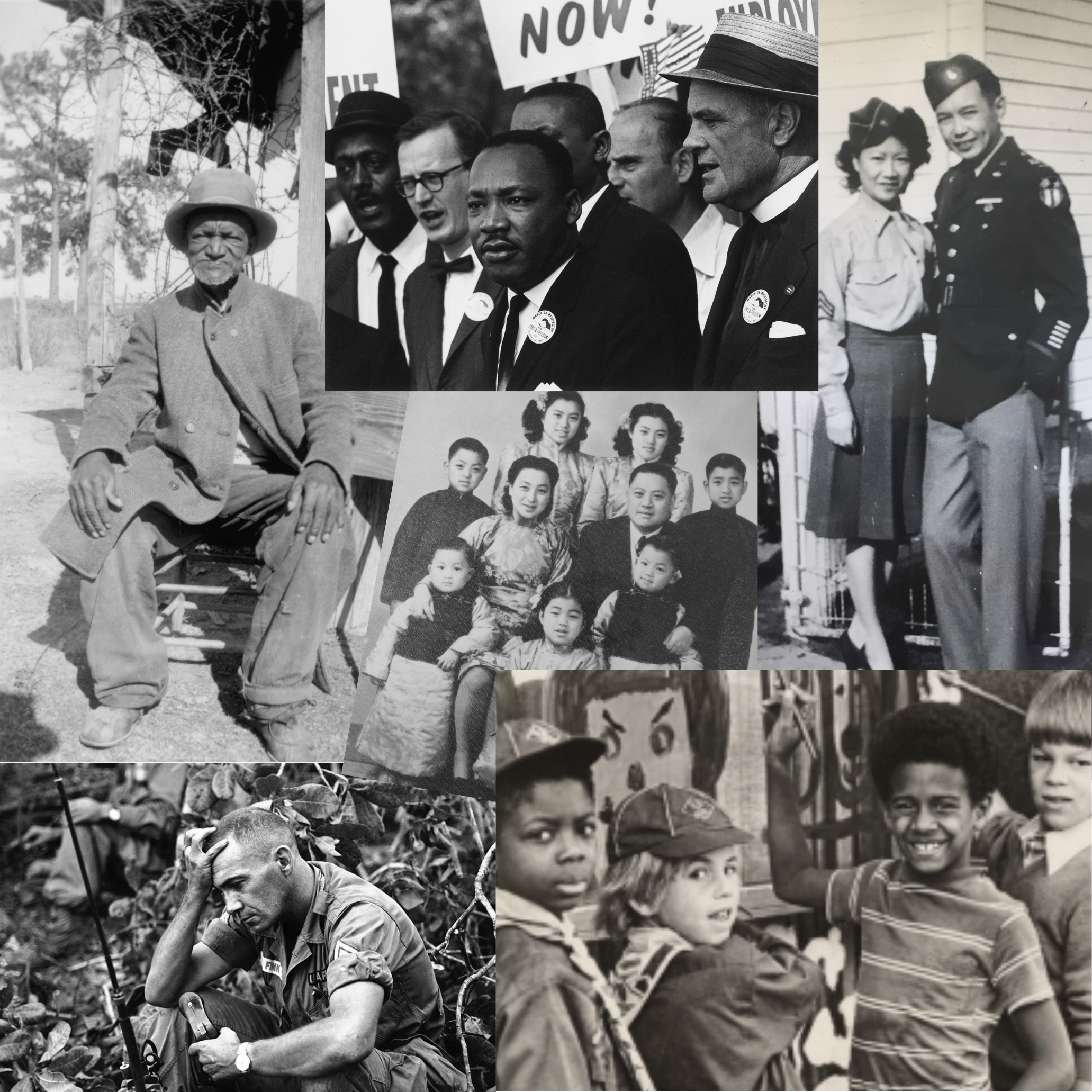
Every person who has lived through significant events carries a piece of history inside them. The civil rights movement. Wars. Economic upheaval. Scientific breakthroughs. Social change. Local triumphs and tragedies. Family milestones. Community movements. These experiences become real and meaningful when someone tells the story of living through them.
One of the greatest dangers any society faces is not simply forgetting history. It is losing access to the human stories that help us understand it.
When history becomes abstract, it becomes easier to dismiss. Easier to oversimplify. Easier to repeat mistakes.
When history is personal, it becomes harder to ignore.
That is why we do what we do at Stories to Last.
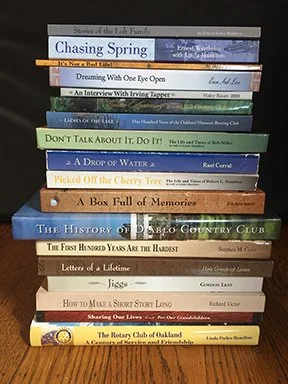
Every memoir we help create, every family story we preserve, every organizational history we document helps keep history alive and accessible. We are not simply preserving memories. We are preserving context, perspective, lessons, and humanity.
The people we work with have lived through extraordinary times. Some have witnessed wars, social movements, technological revolutions, and cultural transformations. Others have experienced quieter moments of courage, sacrifice, resilience, and love. Together, those stories create a richer understanding of who we are and how we got here.
Juneteenth is a reminder that history belongs to all of us.
It reminds us that progress depends on understanding where we have been. It reminds us that education, curiosity, empathy, and reflection matter. It reminds us to listen, especially when someone else's experience is different from our own.
Most of all, it reminds us that every person carries a story worth preserving.
Today, as we honor Juneteenth, we also honor the storytellers. The people who share their memories. The people who keep history alive. The people who help future generations understand not just what happened, but what it meant to live through it.
Because history is more than events.
History is people.
And people are stories.